
One Patient.
One Record.
SantéXA is building the infrastructure that keeps a patient's identity and authorized health record connected as care moves between providers.
The nurse’s dialysis day
Four shifts. 48 patients. Fifteen minutes to prepare each station.
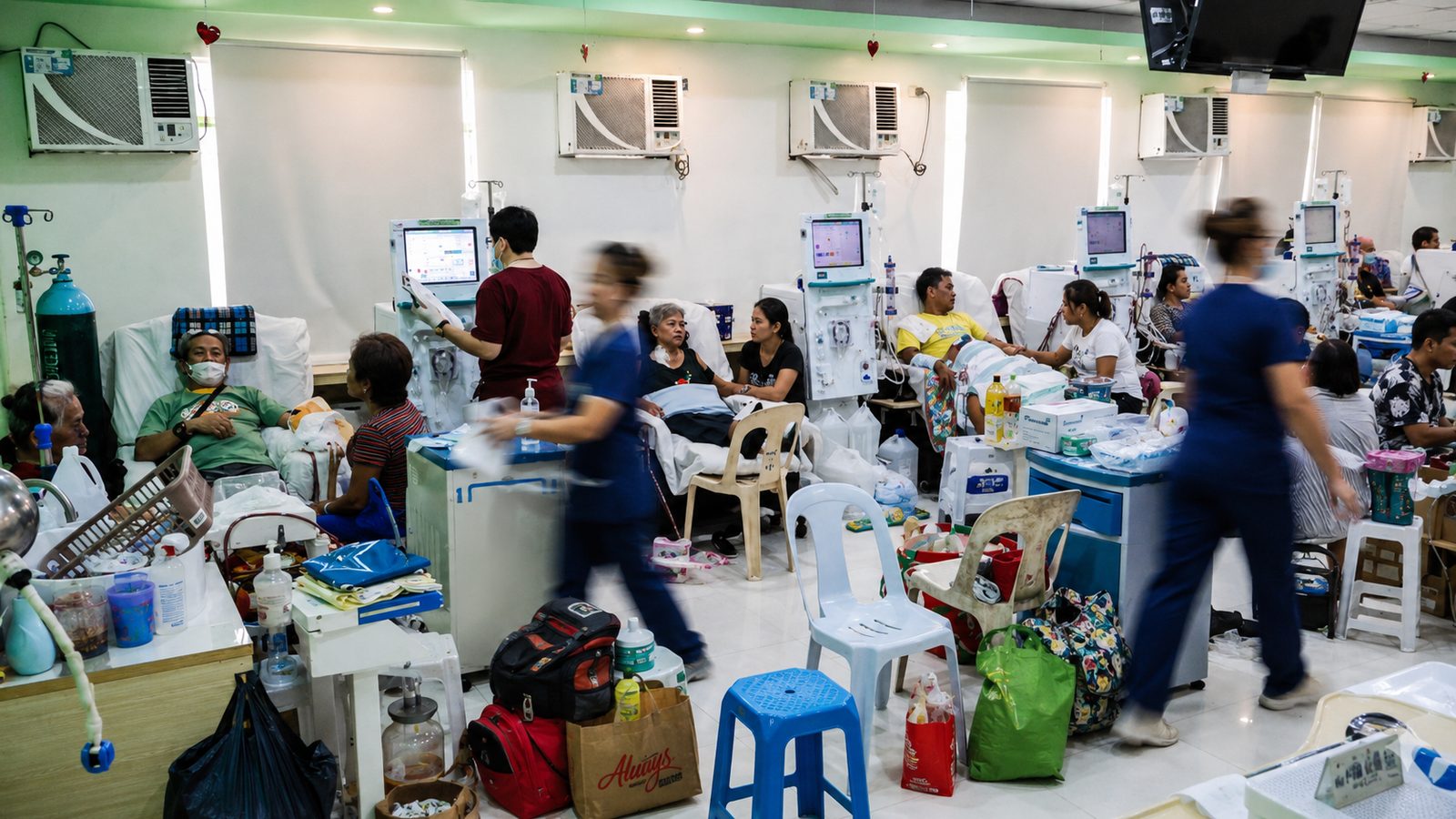
The dialysis floor does not stop. Every station takes 15 minutes to set up before one patient’s treatment can begin, and it happens 48 times before the day is done.
But the roster is still on paper. Laboratory results arrive as PDFs or Viber messages. Nephrologist notes are filed somewhere else. Absences, station changes, pending collections, and patients needing attention must be tracked while treatment continues.
Before one patient is settled, the next is already waiting. This is not an abstract interoperability problem. It is the nurse’s working day.
The nephrologist’s Lab Day
Two Lab Day batches. 96 patients. A few minutes per patient.

In one clinic the population divides between the MWF and TThS batches: 48 patients per dialysis day, 96 across the complete Lab Day review. Larger units run the same pattern at a larger count.
The Nephrologist and Head Nurse have only minutes to discuss each patient’s clinical condition. In front of them is a stack of results with no clear correlation across analytes, no historical view, and no immediate way to place discordant results in context.
The discussion must still happen. The clinical decision must still be made. The missing history becomes work that the Nephrologist and nurse must reconstruct together.
Dx7
From today’s shifts to every patient’s history, Dx7 keeps the work connected.
For the nurse, Dx7 runs today’s shift: which patient is at which station, and the released laboratory results for that patient.
For the Nephrologist and Head Nurse, Dx7 places each patient’s current laboratory results beside their historical results, organized by patient, analyte, and date.
The Lab Day discussion begins with one patient, one view, and one history, not a paper roster, scattered messages, and a stack of disconnected results.
Shifts
Run today’s shift.
Assign a patient to a shift, change that assignment, assign or update the patient’s station, and open released laboratory results from the shift view.
Lab Days
Organize every laboratory collection.
See which patients are due, follow the collection handoff, identify missing work, and receive released results in the clinic workflow.
Reports
See the patient's results over time.
Review current and historical released laboratory results together, giving Head Nurses and Nephrologists clearer context for recurring care.
The platform
One core. Focused applications.
A continuous patient journey.
SantéXA Core is the shared foundation being developed through working healthcare applications such as Dx7.
It preserves the capabilities every connected workflow requires:
Identity
The patient remains the same person as new encounters, applications, and care settings are added.
Authorization
Access remains limited by patient authority, professional responsibility, organizational boundaries, and purpose.
Provenance
The record retains where information came from, who issued it, when it was received, and how it was processed.
Corrections and Versions
A correction does not silently erase what was previously received or released.
Audit
Important access, processing, review, and correction events remain attributable and traceable.
Interoperability
Existing healthcare systems can connect without every participant abandoning the systems that already work.
Modular capability
SantéXA does not need to become one enormous application.
Focused applications reuse the shared foundation and add only the workflow required for a particular care environment.
Dx7 applies this foundation to recurring dialysis care. LX7 is the laboratory exchange that carries released results between a laboratory’s own system and SantéXA. Within the current deployment, it connects those results into the Dx7 clinic workflow while preserving their source and history.
Broader LIS connectivity will extend this working exchange pattern to additional laboratory environments.
Connect what already works. Add only what is missing.
An illustrative patient journey
Juan's healthcare journey continues. His record keeps starting over.
Juan De La Cruz receives laboratory testing from one provider, consults at another, and undergoes recurring dialysis somewhere else.
Each organization may hold a correct part of his history.
- The laboratory holds the diagnostic source.
- The clinic holds its encounters.
- The physician holds the information used during consultation.
- Juan carries whatever he remembered to bring.
At his next point of care, Juan may need to find old printouts, search his phone, open previous emails, contact another provider, and explain the story again.
Each institution may have done its job correctly.
Juan still carries the burden of continuity.
SantéXA is being built so Juan can preserve a source-visible history and authorize the information required for his next care relationship without giving one institution permanent ownership of his entire journey.

Healthcare providers create records, deliver care, and retain the information required for their professional, legal, and operational responsibilities.
But no laboratory, clinic, hospital, physician, distributor, or software company should own the patient's complete cross-provider journey.
SantéXA is designed around:
- One continuing patient identity
- Source-visible health information
- Patient-authorized sharing
- Clear provider and professional boundaries
- Limited and purpose-specific access
- Corrections and version history
- Traceable use of information
- Professional authority over professional decisions
AI boundary
AI may parse, normalize, organize, compare, explain, flag, and prepare information.
It may not silently diagnose, prescribe, alter verified information, release a professional record, grant access, or replace qualified judgment.
Company
Developed in France. Built from real healthcare operations.
SantéXA is developed by Invenia Intelligence Médicale SAS, a French healthcare technology company based in Marseille.
The product grows from fifteen years of laboratory operating experience and practical knowledge of recurring dialysis-clinic workflows.
SantéXA combines that operating foundation with European principles of privacy, consent, accountability, data protection, and interoperability.
Platform development
A working foundation for broader continuity.
Dx7
Shifts, station assignments, Lab Days, current and historical Reports, clinic workflows, role-appropriate access, and recurring dialysis-care continuity.
Within the current deployment, LX7 laboratory exchange connects released results from the connected Laboratory Information System into this workflow.
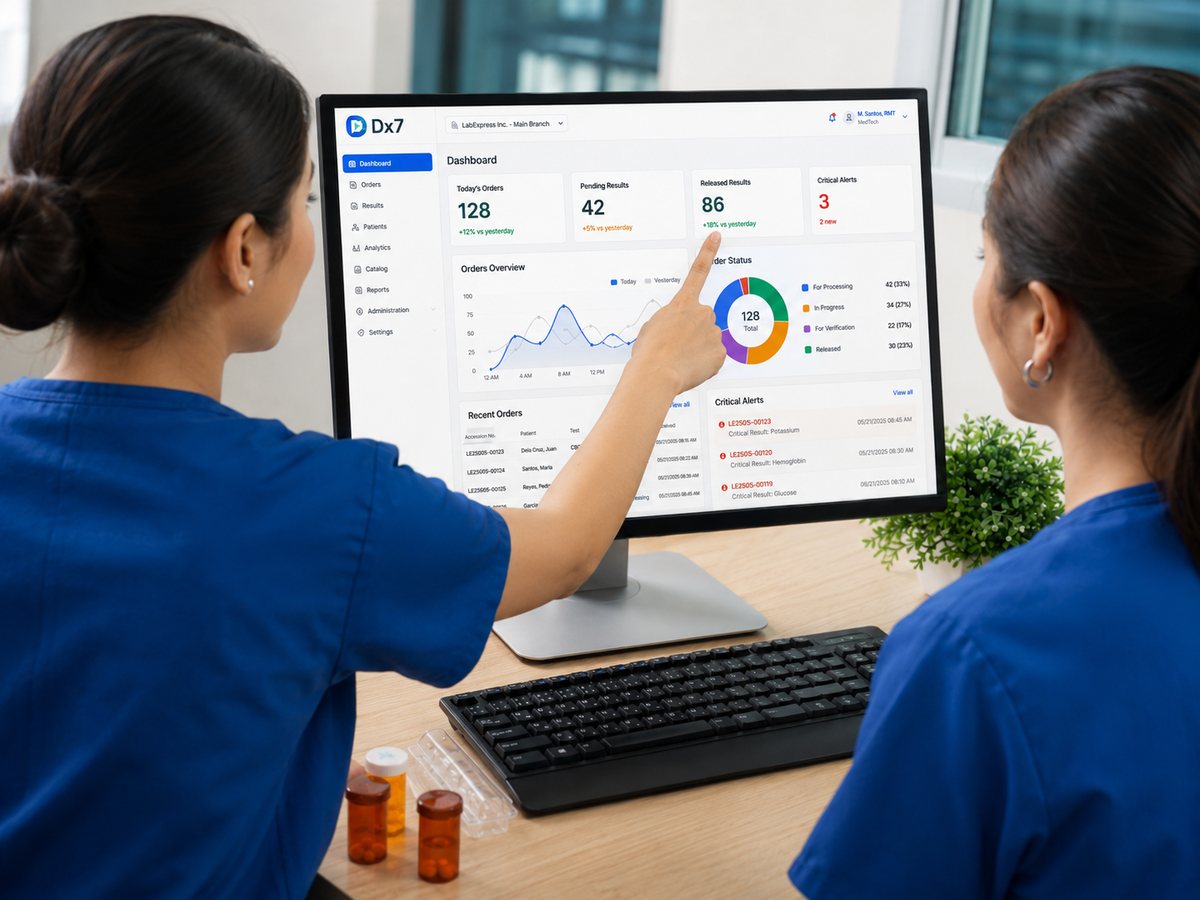
See the dialysis day clearly. Review every patient in context.
See how Dx7 connects the work of the Head Nurse and Nephrologist, from today’s shifts to the patient’s laboratory history.